


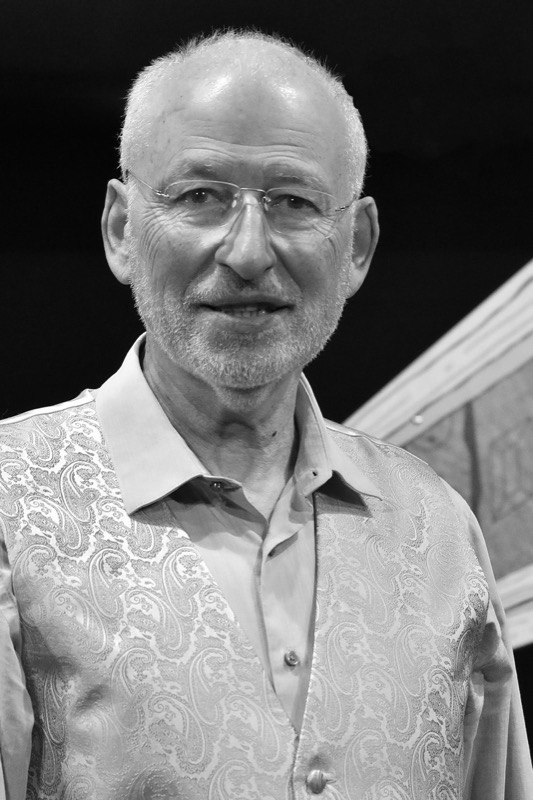
 Peter Griffith, born in 1951 in Tunbridge Wells, Kent, is widely regarded as one of the most influential pioneers of English-language educational theatre in Europe. His life’s work unites an exceptional humanistic education, decades of educational practice and an artistic career, the impact of which has reached far beyond national borders. Griffith’s passion for language, literature and the performing arts emerged early during his school years at Cranleigh School. He went on to study at the University of Durham, graduating with an Honours degree in English Language and Literature - an academic foundation that would profoundly shape his later dramatic work. Postgraduate studies in Drama and Education at Leeds University, together with a Licentiateship from the Guildhall School of Music and Drama further deepened his artistic and educational expertise. Griffith began his professional career as a drama teacher. For five years he taught young people the craft of acting, developing a deep understanding of how theatre nurtures learning processes, creative expression, and interpersonal skills. These formative experiences laid the groundwork for his later vision of a theatre that both educates and entertains while building cultural bridges.
The Founding of the White Horse Theatre
 In 1978, Peter Griffith founded the White Horse Theatre, which over the decades has grown into one of the largest professional touring theatres for young audiences in Europe. As its artistic director, Griffith shaped the ensemble’s unique profile: authentic, lively, linguistically rich English theatre designed to inspire and empower children and teenagers.
He has written more than 50 original plays and directed over 80 productions. His works are distinguished by linguistic clarity, humour, dramatic finesse, and educational insight - a combination that has made the White Horse Theatre an integral part of English-language education in countless schools.
After more than forty years of dedicated leadership, Peter Griffith entrusted the position of managing director to his son, Julian Zimmerle, who now oversees the company’s administration while Griffith continues to serve as its artistic guiding force.
Academic Influence and Educational Contribution
 Alongside his artistic practice, Griffith has published two significant books on educational theatre. In them, he synthesises insights from drama training, literary studies and foreign-language didactics into a coherent theory: that theatre not only enriches aesthetic experience but also cultivates linguistic awareness, empathy and social competence.Griffith led workshops and professional seminars for many years, including specialised training courses for German teachers. He also supervised workshops and productions at the Schauspielhaus Bochum—testimony to his recognition within the professional theatre community.
Reception in the German Educational Landscape
 Peter Griffith’s plays have become highly influential within the German educational system. His works are not only performed in schools but have also been incorporated into national teaching materials. Several excerpts from his plays have been published by major German educational publishers. Most recently, his play Honesty was featured in the Cornelsen schoolbook series Access. This inclusion underscores the educational and literary value of his writing and places Griffith among the rare contemporary authors whose original texts are officially embedded in secondary school curricula.
Personal Life and Lasting Legacy
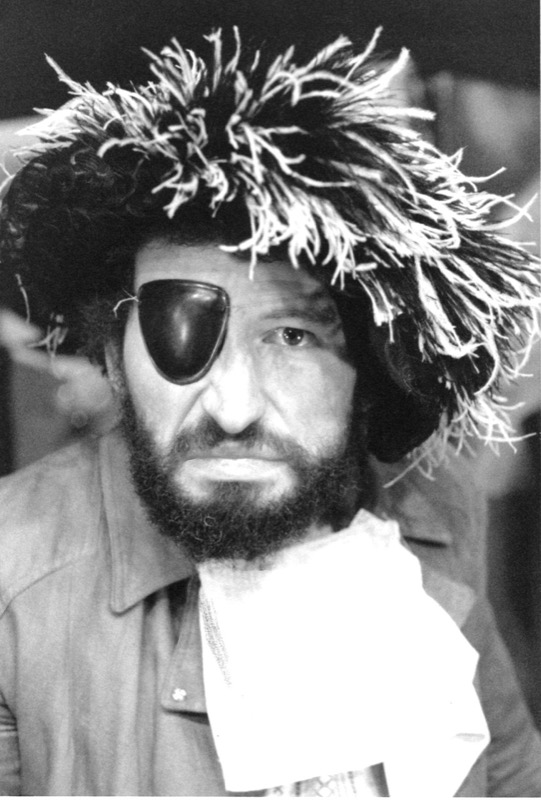 Today, Peter Griffith lives in Soest with his wife. His legacy lies not only in his extensive dramatic oeuvre but also in the lasting impact of his educational philosophy. For generations of students, he has opened a door to the English language that is lively, humorous, and accessible. As a playwright, director, educator, and visionary, Griffith has created a form of theatre that transcends the stage - one that transforms learning and brings people together. The transition of managerial responsibility to his son, Julian Zimmerle, marks not an ending but the beginning of a new chapter in the evolving story of the White Horse Theatre.